Deeply engraved in how we think, a choice (main choice) is a simple thought and ensuing act of deciding what to have and do. How much you have chosen to do and have will be done and possessed by you is a matter of choices to follow under the main choice. Such “choices to follow” are priorities. Priorities are minor choices within major choices.
Priorities determine the extent to which you can follow up on your choices, decisions, or the choices and decisions they made for you. When you are reckless with your priorities you create a choice conflict. Good choices you have made can only become blunders.
Priorities are the rendering machines for choices. When they say you have made a wrong choice they do not specifically understand you may not have made a wrong choice. But you have rendered a good choice bad by lining up poor priorities afterwards. Indeed, some can start with a blunder only to turn it into a good decision by following up with positive actions. It is these minor choices within the main choices that have a majority vote on what will come out of what we do as a result
You have already decided to be a parent, that’s a choice. Just like a good share of other choices in your life, it is one you can’t reverse. It is like you are playing chase at a grand master’s level. You can’t reverse a move as you’d do when you are playing with your dad in your home garden. Some choices can still be reversed at a cost, eg: quitting an addicting substance, ways of thinking and activities.
A main choice made soon finds itself competing with other main choices. Each main choice (a choice) soon finds that minor choices (priorities) made for other main choices are competing with its own minor choices. You would want as a parent to read a bedtime story for your kid (minor choice) but a business you chose to do (main choice) and which you are doing well is trapping you with emails, webinars, trips and management roles (minor choice).
There is not so much you can do about irreversible choices. Those choices that you can reverse also leave a trail of impacts that you can not reverse. Given this setup, Ty Howard recommends that we “learn and grow from our past failures, disappointments and painful experiences. Reset our goals and priorities and move forward.”
We have more control over priorities than the choices behind them. We can reset them and control them to produce better results and happiness. But we can’t easily reset all the choices in our lives. One can’t just divorce anytime he is in an altercation with his partner to reset a marriage.
People are afraid to make the right choices in the fear of them turning out to be bad ones. Well, what are the bad choices? Your choices even when they fail you, if they are done with a good heart they are not bad choices. Bad choices are choices that are meant to result in bad and harmful ends. Failure is not harmful. So is failure to pick the right choice. You will always learn.
Don’t trust yourself to make good choices. Even when you are so sure that you know how to make good decisions like an expert there is no reason to bank on that one. You are an irrational being. Every choice you make was never designed to be the best choice of yours. This is where priorities come in. They must tip a balance to your flawed decision-making.
The priority conflict
As priorities find themselves in competition for your attention, subconsciously something must happen for a balance to be reached. Priorities are thus arranged into three broad categories:
- Top-level priorities: These, as irrationally planned, must get the utmost of your attention (high-level attention). You feel lost when you do not succeed at whatever you intent to come up with as you pursue such priorities.
- Mid-level priorities: A mix of rationality and irrationality produces this breed of priorities.
- Low-level priorities: This group of priorities must get the least of your efforts and attention. They are rationally planned and they fail to overpower your bias and irrationality. Them being low-level priorities does not mean that they do not deserve to get the same levels of attention and effort your top-level priorities get.
This assortment of priorities into three broad categories does not get rid of the conflict. It simply escalates it. Bias and emotional attachment wins by veto and places it’s preferred list of priorities to top-level.
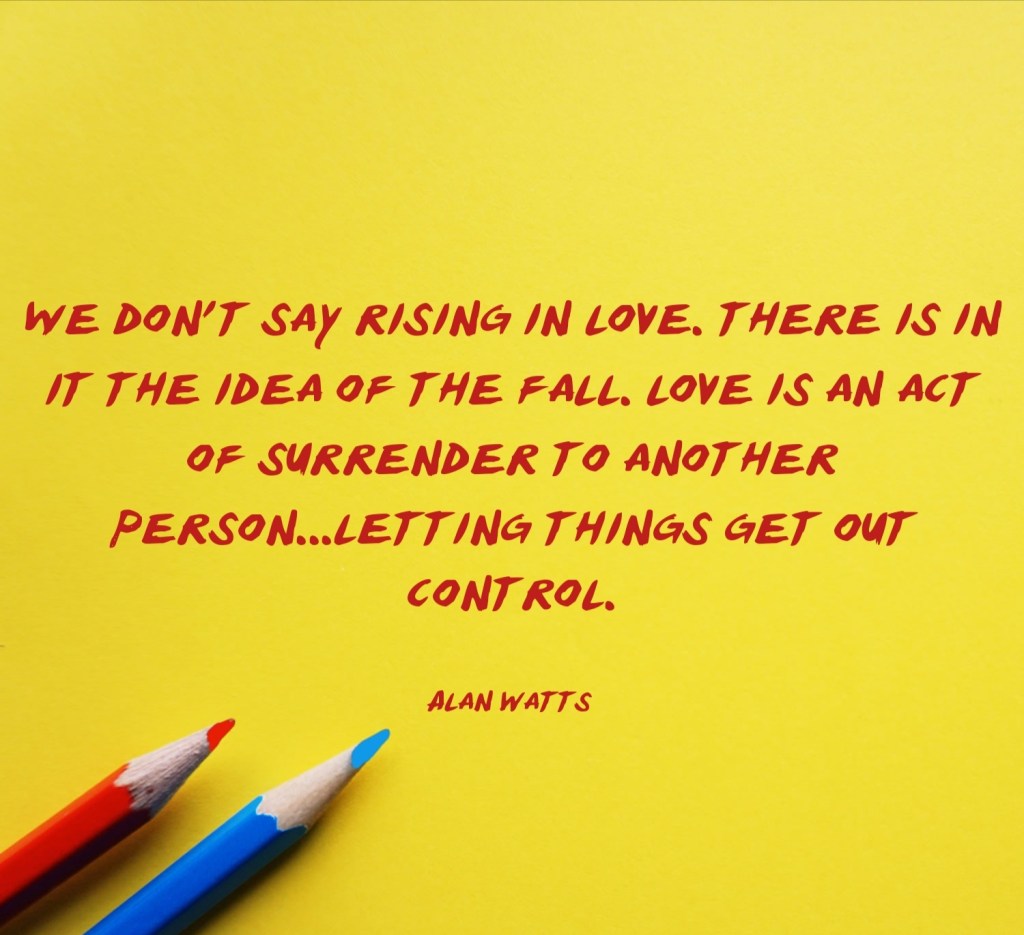
How does the conflict come into existence? If your top-level priority is being with your lover all-time around, it does not mean you shouldn’t be attending, all day long, a low-level priority that is, for example, your self-job. If you, however, decide to lose profits of the day to get the intimacy of the day and repeat all year around reality will teach you a lesson. Love brings downfall to most of us. It should half our ambitions and potential.
So what deserves high-level attention? You will never know because you are never in control. It’s either your bias or society’s expectations that take away that control. Some high-level attention can be given to low-level priorities when there is some compulsion. You don’t go to work, you lose your job or you earn a little.




 Socien's Blog
Leave a comment